
Hearing crackling, rattling, or unusual sounds when your dog breathes can be concerning, especially if the sound is new or becoming more noticeable.
Breathing should normally be relatively quiet, so crackling noises may sometimes indicate that something is affecting the airways or lungs.
Table of Contents
Dog Crackling When Breathing: Why It Happens
A dog crackling when breathing may be experiencing mucus buildup, airway irritation, respiratory infections, fluid changes in the lungs, or other conditions affecting normal airflow.
Some dogs make crackling sounds only occasionally, while others develop persistent noisy breathing that gradually becomes worse.
Paying attention to accompanying symptoms can help determine how serious the problem may be.
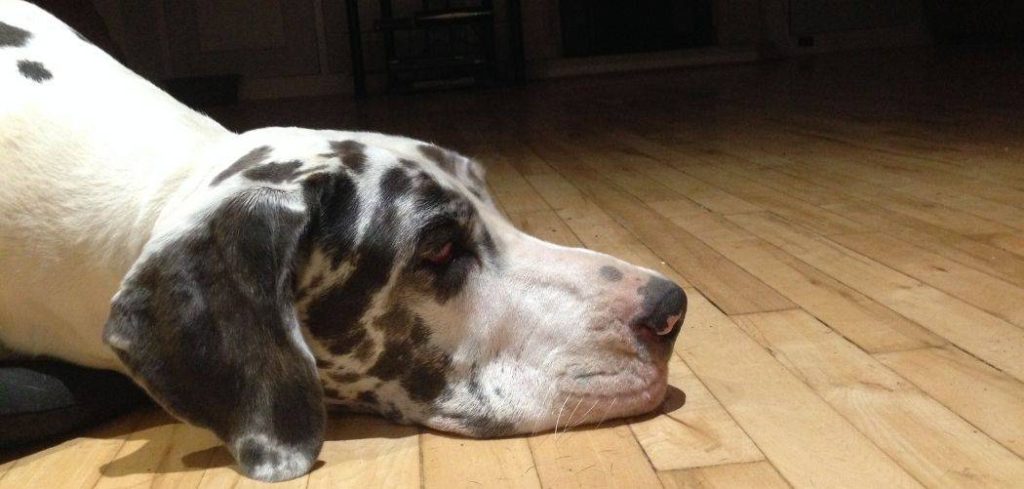
Dog Crackling When Breathing: Symptoms
If your dog has crackling sounds when breathing, common symptoms may include:
Crackling or rattling sounds
Coughing
Wheezing
Heavy breathing
Panting
Reduced activity
Tiring easily
Restlessness
Dog Crackling When Breathing: Common Causes
Respiratory Infection
Respiratory infections are one of the more common reasons dogs develop unusual breathing sounds.
Infections affecting the nose, throat, airways, or lungs can create inflammation and mucus buildup that interferes with normal airflow.
As mucus moves through irritated airways, breathing can sometimes sound crackly or congested. Some dogs initially develop mild symptoms that gradually become more noticeable.
You may also notice coughing, sneezing, nasal discharge, reduced appetite, or lower energy levels. Early infections can sometimes appear mild before progressing further.
Read more: Dog Coughing Up Phlegm (Why it happens)
Fluid in the Lungs
Fluid accumulation inside or around the lungs can interfere with normal breathing and sometimes create crackling sounds.
When fluid is present, air moving through the lungs may produce noises that sound wet, crackly, or rattling. Dogs may initially show subtle symptoms that worsen gradually.
This type of problem can occur for multiple reasons and often affects breathing efficiency. Some dogs also begin panting more, tiring easily, or becoming less active.
Because breathing problems can worsen quickly, persistent crackling sounds should be taken seriously.
Chronic Bronchitis
Long-term inflammation affecting the airways can create changes in breathing sounds.
Inflamed airways may produce excess mucus and become more sensitive. Over time, breathing can become noisier, and coughing episodes may occur more frequently.
Older dogs may be more likely to develop chronic airway problems, although dogs of various ages can be affected. Symptoms often become worse during exercise or after exposure to irritants.
Related: Deep Honking Cough in Dogs (Causes behind harsh cough sounds)
Allergies
Dogs sometimes react to substances in their environment that irritate the airways.
Dust, smoke, perfumes, cleaning products, mold, pollen, or other airborne particles can trigger inflammation that affects breathing.
Repeated exposure may create chronic irritation and occasional breathing noises. Some dogs also develop skin symptoms such as itching, paw licking, or eye irritation alongside respiratory signs.
Foreign Material in the Airway
Small objects or material entering the throat or airways can create unusual breathing sounds.
Grass pieces, plant material, food particles, or debris may partially irritate or obstruct airflow. Dogs may suddenly begin coughing, gagging, or making noisy breathing sounds.
The symptoms can sometimes seem mild at first, but may become more serious if irritation continues.
Heart Disease
Heart conditions sometimes affect breathing indirectly.
Changes involving the heart can influence circulation and fluid movement within the chest. As the condition progresses, dogs may develop breathing changes that include coughing, heavier breathing, or unusual respiratory sounds.
You may also notice reduced exercise tolerance, weakness, or increased sleeping.
Old Dog Crackling When Breathing
Crackling sounds when an old dog breathes can indicate fluid, mucus, inflammation, or changes in the lungs or airways.
Possible causes include pneumonia, pulmonary edema associated with heart disease, chronic bronchitis, or other respiratory conditions.
In older dogs, heart disease becomes an important consideration because heart failure can lead to fluid accumulation in the lungs and abnormal breathing sounds.
Crackling should not be considered a normal part of aging, particularly when it is new or accompanied by coughing, faster breathing, reduced activity, loss of appetite, or weakness.
Difficulty breathing, open-mouth breathing, blue or gray gums, marked weakness, or collapse requires emergency veterinary care.
Dog Crackling When Breathing: What to Do
There is no single home treatment for crackling breathing, and cough or respiratory medications should not be given without veterinary advice.
Keep the dog calm and avoid strenuous activity while arranging an examination, especially if the abnormal breathing sounds persist or are becoming more pronounced.
When to Call or Visit Your Vet
Contact your veterinarian if the crackling sounds continue, become more frequent, or occur with coughing or behavior changes.
Schedule an appointment if you notice reduced activity, heavier breathing, appetite changes, or worsening symptoms.
Seek immediate veterinary attention if your dog develops:
Difficulty breathing
Blue or pale gums
Collapse
Severe weakness
Open-mouth breathing at rest
Extreme distress
Dog Crackling When Breathing: Treatment
The veterinarian may perform a physical examination and listen to the heart and lungs carefully.
Chest X-rays, bloodwork, oxygen assessment, or additional testing may be recommended depending on suspected causes.
Treatment depends on the underlying issue and may include antibiotics, airway support, oxygen therapy, medications, or treatment for heart or respiratory diseases.
Key Takeaway
Crackling sounds during breathing are not considered normal in dogs and may suggest airway or lung-related problems. While some causes may be relatively mild, others can become serious if left untreated.
Pay attention to changes in breathing patterns and any accompanying symptoms. If the sounds persist or your dog appears uncomfortable, a veterinary evaluation can help identify the cause and improve breathing comfort.


